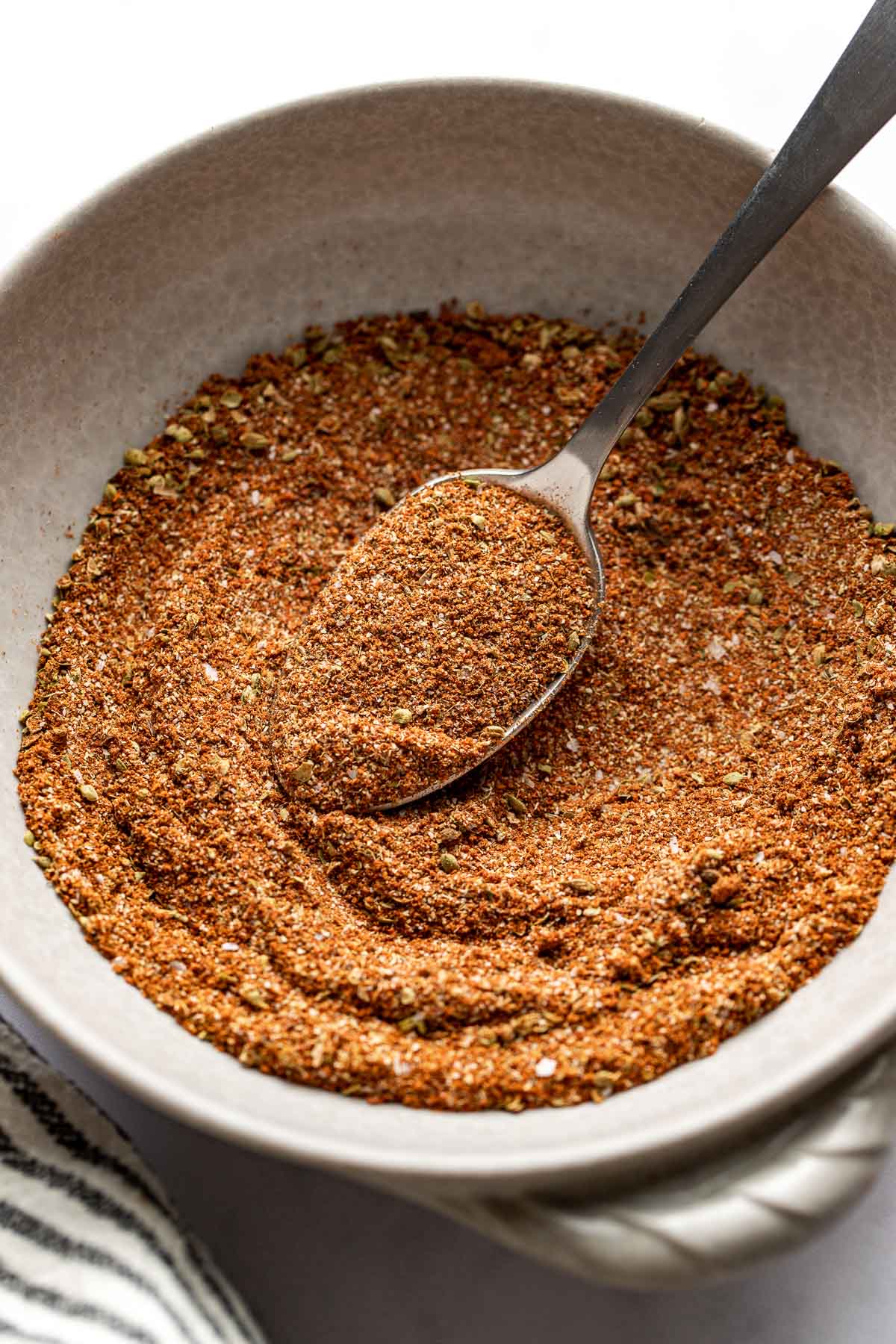
Taco night holds a special place in the hearts and hungry bellies of many, offering a vibrant, customizable, and often nostalgic meal experience. Whether it's a spontaneous weeknight dinner or a planned family gathering, the allure of seasoned meat, fresh toppings, and crunchy or soft shells is undeniable. But have you ever considered that the true secret to an unforgettable taco experience might lie in a small, often overlooked detail: the seasoning? While store shelves are packed with convenient packets, there's a compelling argument to be made for why homemade taco seasoning is a game-changer, consistently outperforming its pre-packaged counterparts every single time.
The Culinary Backbone: Why Seasoning is the Soul of Your Taco
At its core, a taco is a simple concept: a delicious filling nestled in a tortilla. Yet, the magic truly unfolds with the interplay of flavors, and that’s where the seasoning steps in. The "taco seasoning" most of us recognize today is a beloved product of Tex-Mex cuisine, a vibrant blend of chile peppers, warm spices, and aromatics designed to transform ground beef, chicken, or plant-based proteins into something truly craveable. This familiar flavor profile has become so synonymous with the American taco experience that it evokes images of classic commercials and family dinners.
A Brief History of the American Taco and its Seasoning Evolution
The journey of the taco from its origins in Mexico to its ubiquitous status in American households is a fascinating one. While soft-shell tacos made with fresh tortillas are traditional in Mexico, often featuring a diverse array of fillings, the hard-shell taco, filled with spiced ground beef and topped with ingredients like shredded lettuce, grated cheddar, and diced tomatoes, carved out its own niche in American culture. This style of taco gained significant popularity in the 19th century, particularly as northern Mexico became known for its beef production.
A pivotal moment arrived in the 1950s when Glen Bell, the visionary behind Taco Bell, introduced the pre-formed taco shell. This innovation, coupled with the advent of taco-making kits from brands like Old El Paso and Ashley’s in the 1960s—which crucially included chili-spice packets—solidified the American taco as a convenient and appealing dinner option. This evolution made "Mexican" food accessible and familiar, often mirroring the comforting ingredients of a hamburger, yet offering a perceived exotic flair. These kits, however, also ushered in an era where pre-mixed, store-bought seasoning became the default, often at the expense of quality and control.
Unlocking Superior Flavor: The Freshness Advantage of Homemade Taco Seasoning
One of the most immediate and impactful reasons to switch to homemade taco seasoning is the undeniable difference in flavor and freshness. Think about it: spices, like any agricultural product, have a shelf life. Pre-packaged seasoning blends can sit on shelves for months, even years, meaning the ground spices within them have often lost a significant portion of their aromatic oils and potency. The result? A duller, less vibrant flavor that requires more product to achieve the desired taste.
When you make your own seasoning, you have the opportunity to use fresh spices. Sourcing spices from specialty purveyors who prioritize quality and share information about their ingredients can make a world of difference. Even better, buying whole spices and grinding them yourself just before mixing unleashes an unparalleled depth of aroma and flavor that pre-ground, pre-mixed options simply cannot match. This commitment to fresh ingredients means your tacos will boast a richer, more complex taste profile that truly elevates the entire meal.
Take Control: Customization is King with Homemade Taco Seasoning
Beyond freshness, the ability to customize is arguably the strongest argument for embracing homemade taco seasoning. Store-bought packets are designed as a one-size-fits-all solution, but culinary preferences are anything but uniform. This is where homemade blends shine, putting you firmly in the driver's seat of your flavor journey. If you're eager to learn more about dialing in your perfect blend, check out Customize Your Tacos: The Benefits of Homemade Seasoning.
Ditching the Unwanted: What's Hiding in Store-Bought Mixes?
A significant downside of many commercially produced taco seasonings is their ingredient list. Many pre-made blends are notorious for being loaded with salt—often listed as the first ingredient. While salt is essential for flavor, controlling its level independently is crucial for overall dish balance and personal health. Excessive sodium can overpower other spices and make it difficult to adjust the seasoning to your liking.
But it's not just salt. Dive deeper into the labels, and you might find other less desirable additives such as:
- MSG (Monosodium Glutamate): A flavor enhancer that some people prefer to avoid due to sensitivities.
- Dextrose or Sugar: Often added to balance flavors or as a cheap filler, contributing unnecessary sweetness to a savory dish.
- Flour or Starch: Used as anti-caking agents or thickeners, which can alter the texture of your meat and often aren't necessary.
- Artificial Colors and Flavors: Added to enhance visual appeal or compensate for a lack of genuine spice flavor.
- Anti-caking Agents: Ingredients like silicon dioxide are common to prevent clumping, but they are entirely avoidable with a fresh, homemade blend.
By making your own, you have complete transparency and control over every ingredient. Want less salt? Easily done. Craving an extra kick of heat? Just add more chili powder, cayenne, or a pinch of smoked paprika for depth. Prefer a more robust cumin flavor? Adjust the ratio to your liking. This level of personalized precision is simply unattainable with a pre-packaged mix, allowing you to create a blend that perfectly suits your palate and dietary needs.
Practical Perfection: Making, Storing, and Using Your Own Blend
The beauty of homemade taco seasoning isn't just in its superior flavor and customization; it's also incredibly simple to make and use. Most likely, all the spices you need are already in your pantry, making it a quick and economical solution. For those ready to dive in, our guide on Easy Homemade Taco Seasoning for Fresher, Tastier Meals offers a fantastic starting point.
A Simple Recipe for Success
A basic homemade taco seasoning recipe often includes:
- Chili Powder
- Cumin
- Paprika (sweet, smoked, or a mix)
- Garlic Powder
- Onion Powder
- Oregano
- Salt (to taste, add separately if preferred)
- Black Pepper
- A pinch of Cayenne Pepper for heat (optional)
Simply measure everything into a small bowl, whisk to combine thoroughly, and transfer to an airtight glass jar. Stored in a cool, dark place, your seasoning will remain fresh and potent for 3-4 months, though it's so good, you'll likely use it much faster!
When it comes to cooking, plan for approximately 2 tablespoons of your homemade taco seasoning per pound of ground meat or plant-based protein. First, sauté your meat until it loses its pink color. Drain any excess fat, then sprinkle the seasoning over the meat and stir to combine. To achieve that signature saucy texture, add about one cup of vegetable, chicken, or beef stock (or even water) per pound of meat. Stir well, reduce the heat to low, and let the liquid simmer and evaporate, allowing the flavors to meld beautifully into the meat. The aroma alone will convince you that you've made the right choice.
Conclusion
While the convenience of a store-bought packet might seem appealing, the myriad benefits of homemade taco seasoning are simply too compelling to ignore. From guaranteeing a fresher, more vibrant flavor profile to offering unparalleled control over ingredients, salt levels, and spice intensity, making your own blend elevates your taco night from good to extraordinary. It's a simple, cost-effective change that not only avoids unwanted additives but also allows you to tailor every bite to perfection. So, the next time taco cravings hit, skip the packet and whip up your own batch – your taste buds will thank you for it.
